 Image 1 of 5
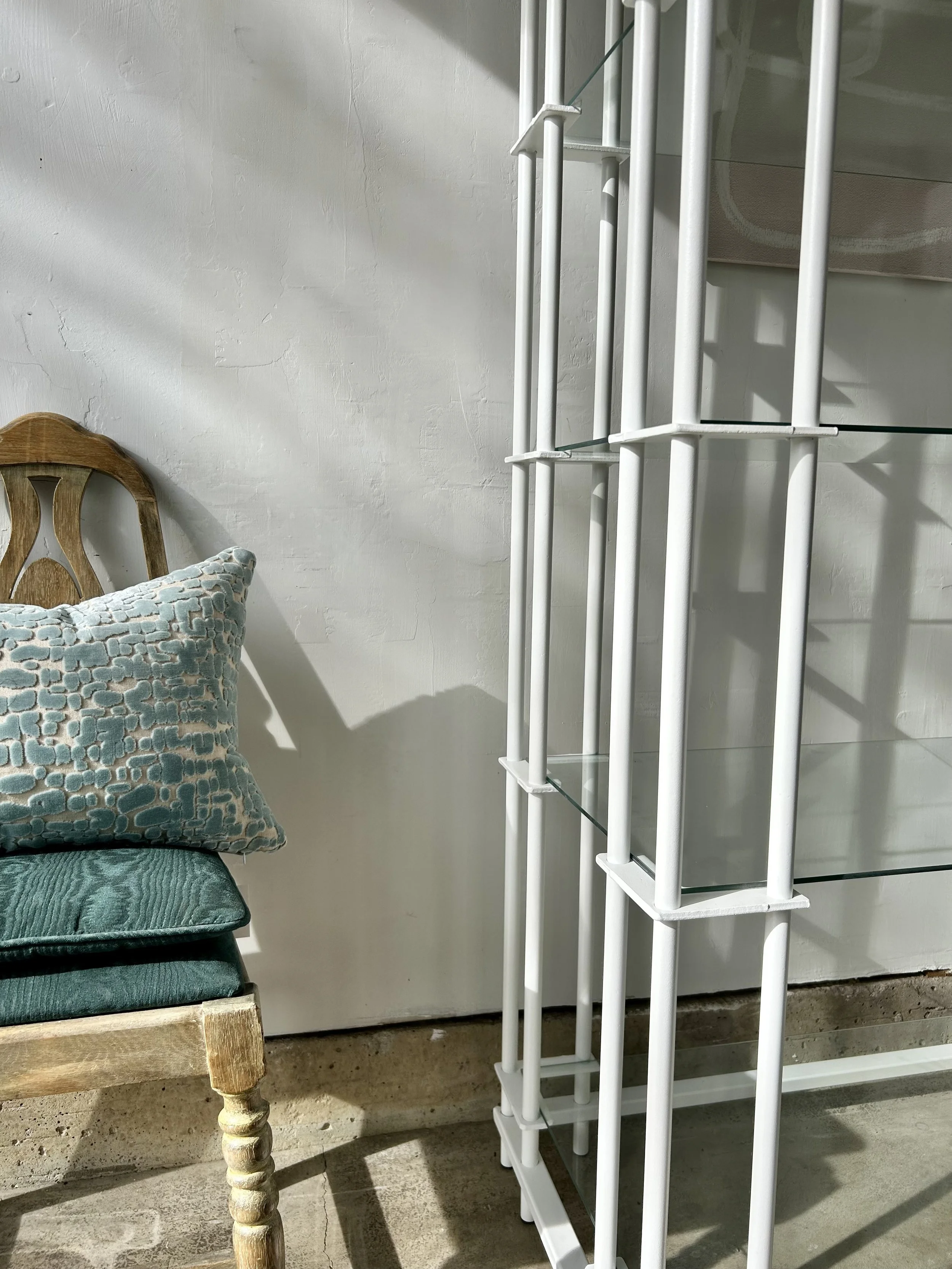 Image 2 of 5
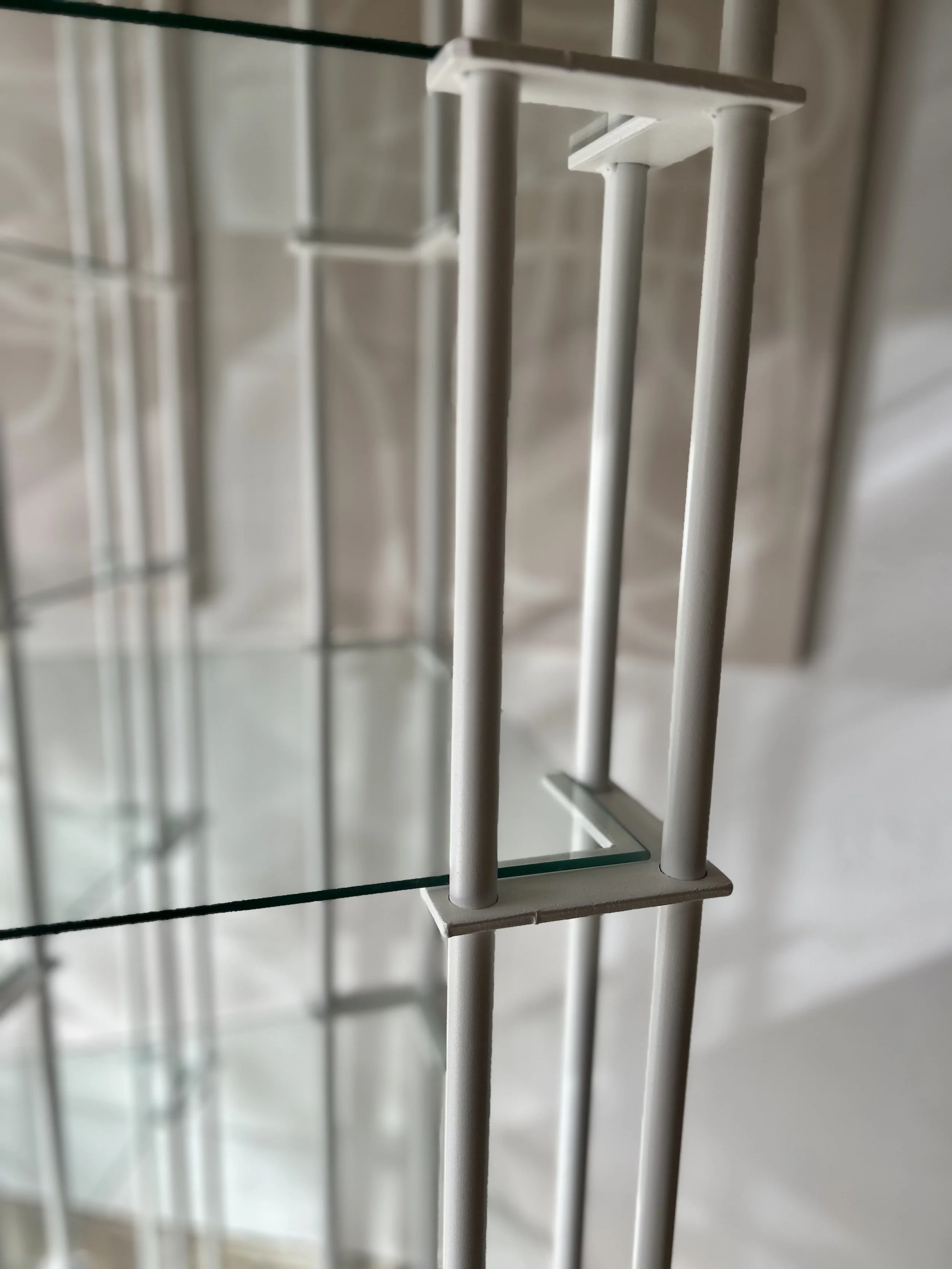 Image 3 of 5
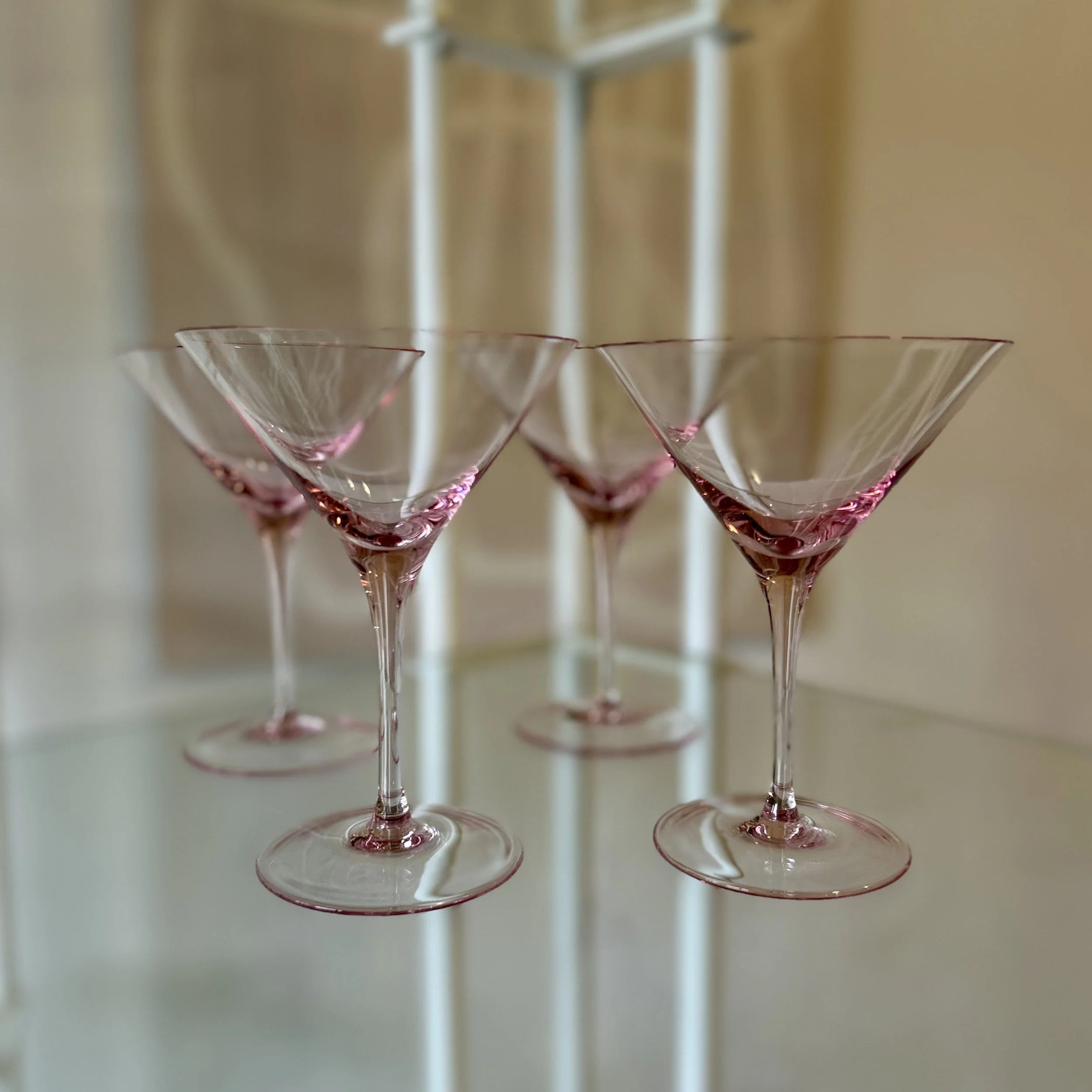 Image 4 of 5
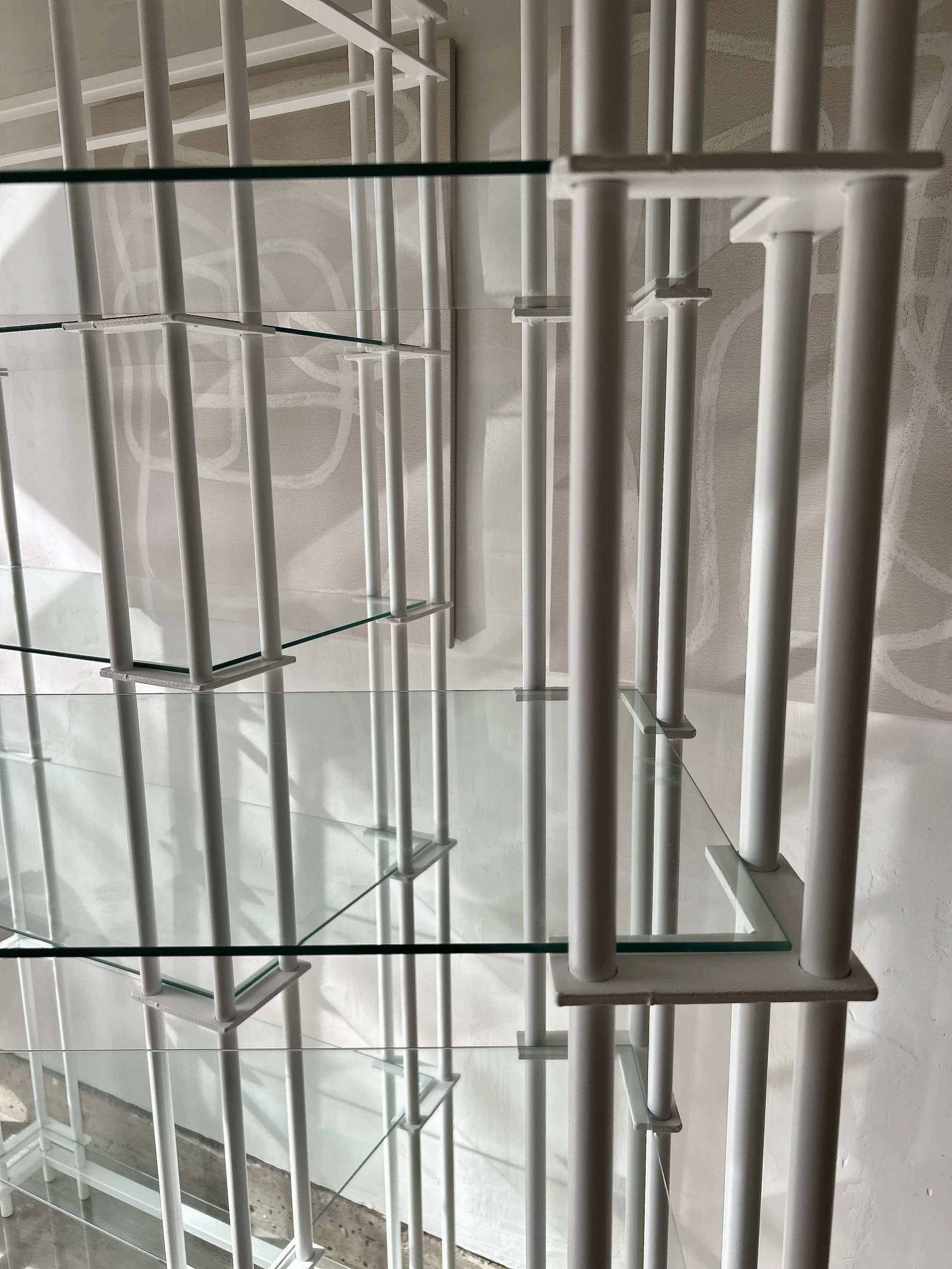 Image 5 of 5
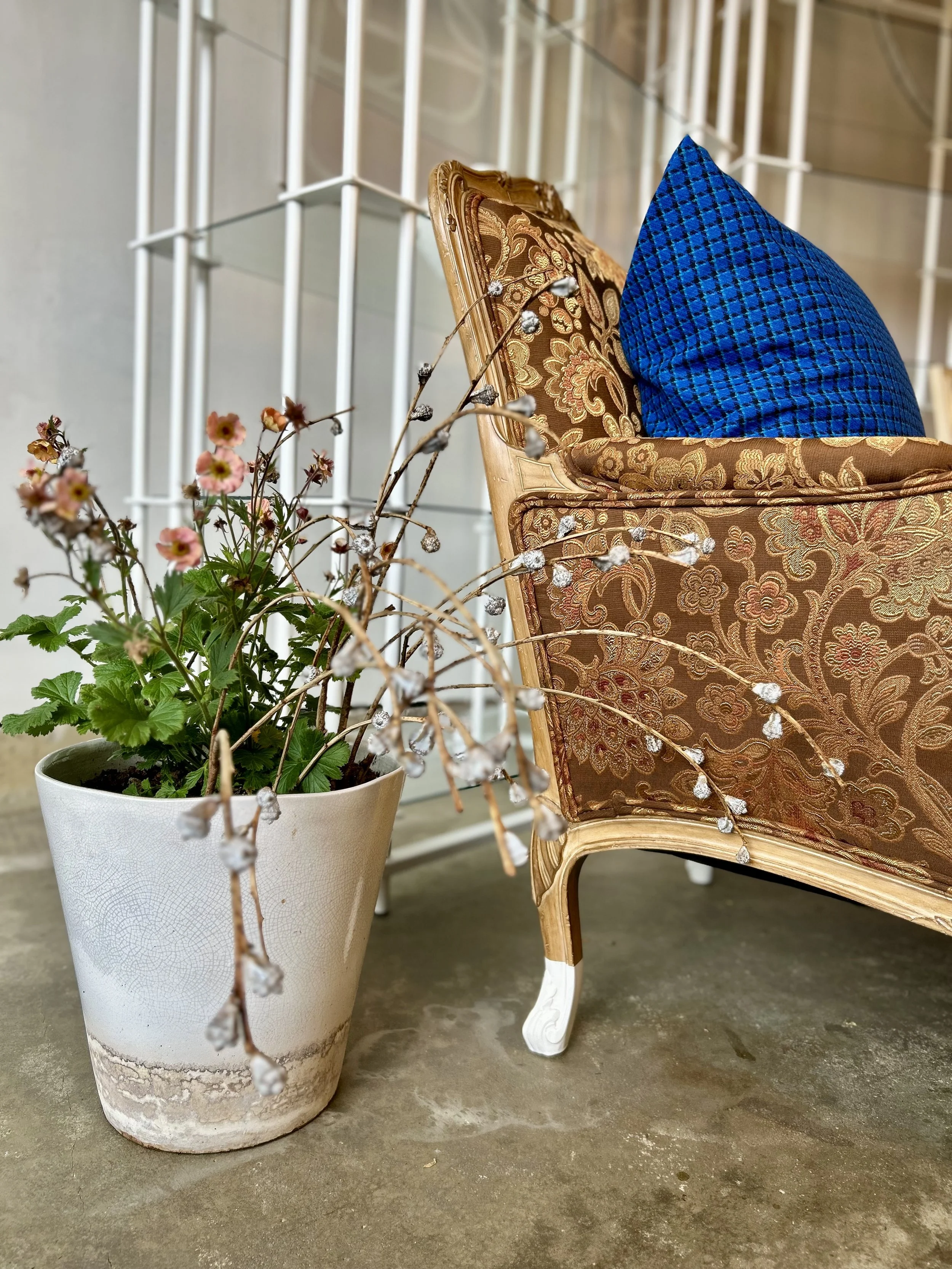
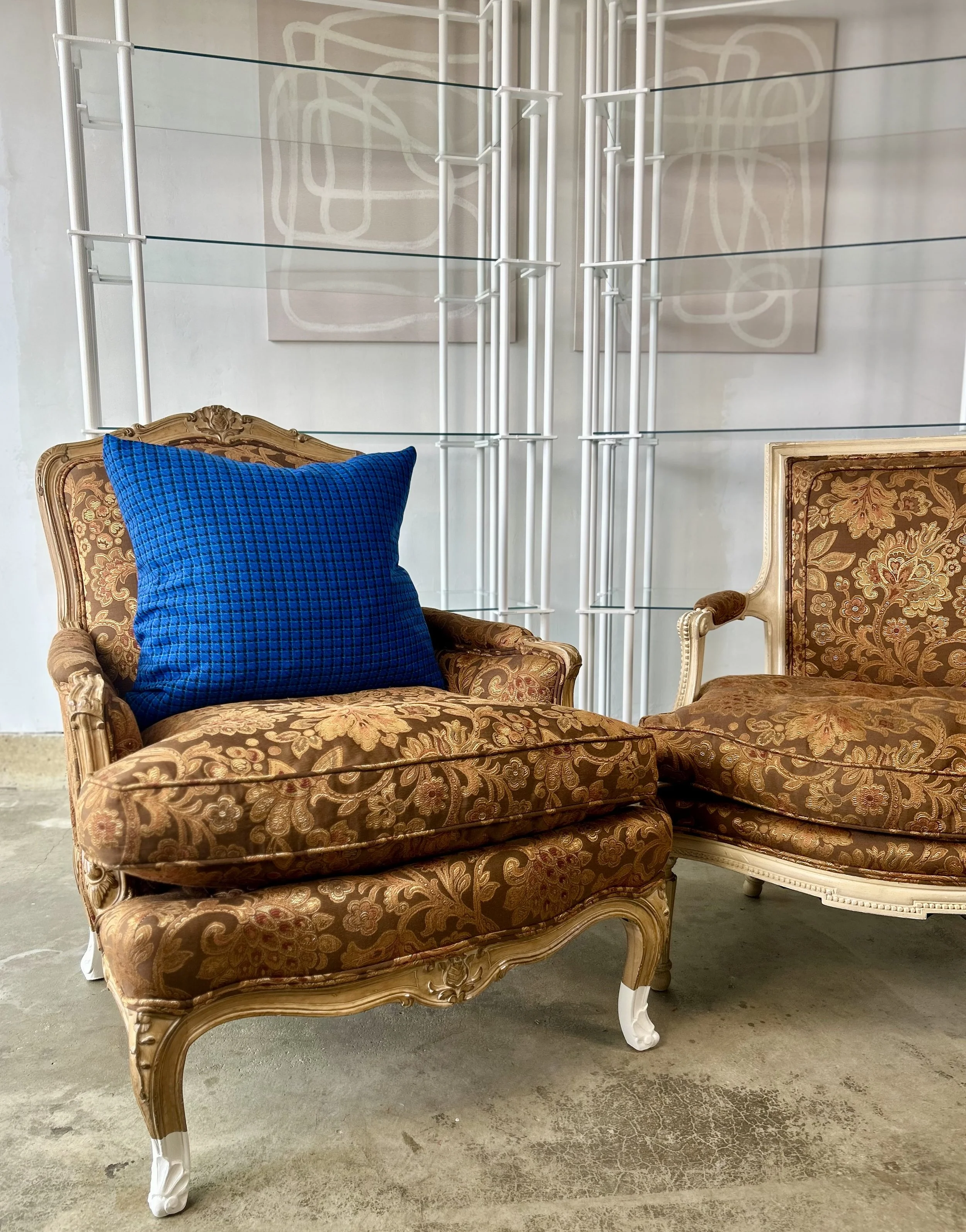
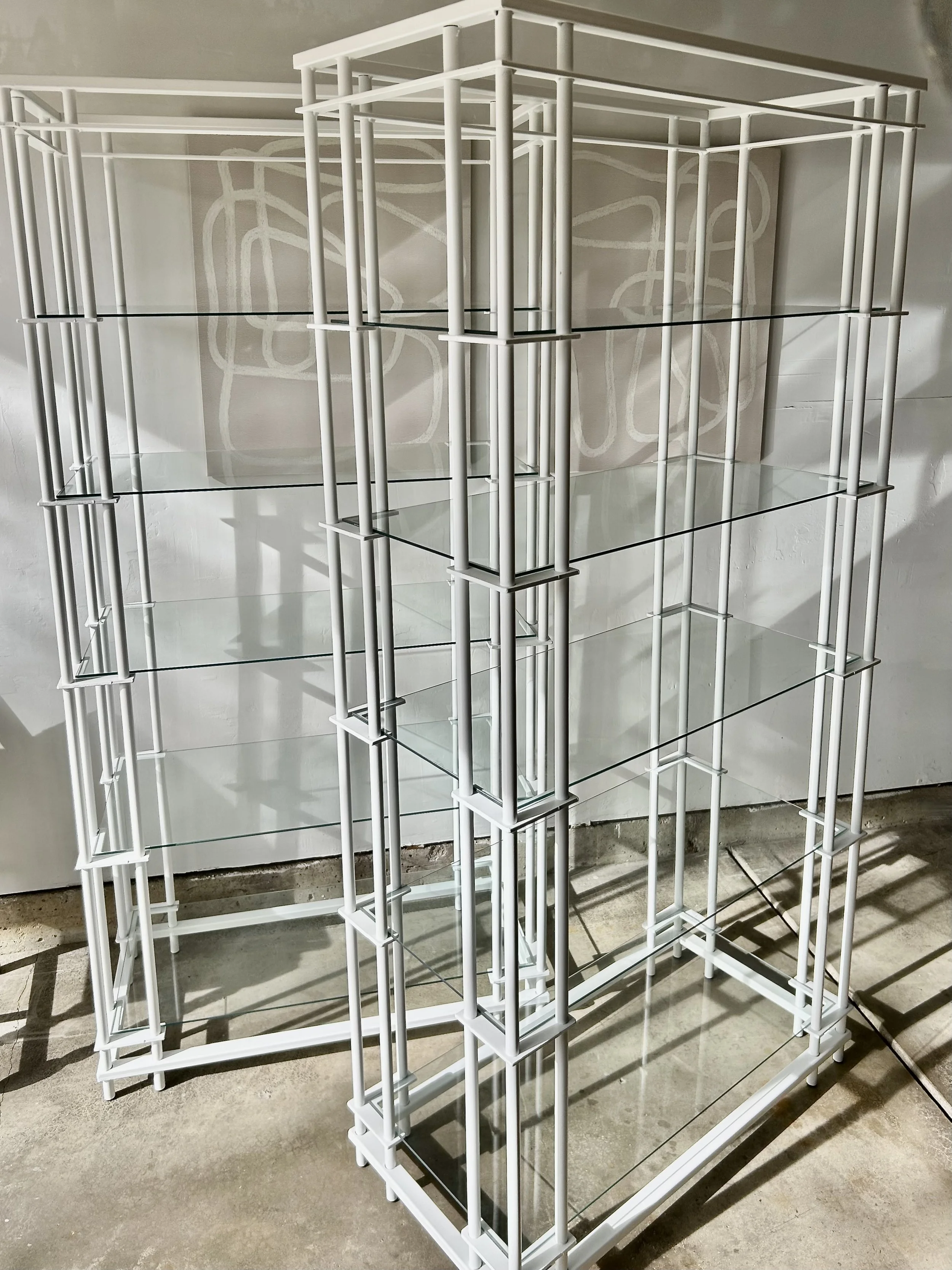
Elevate your space with this rare pair of 1980s Postmodern etageres. Attributed to Mirak. Featuring a unique tri-pole architectural design in white tubular steel with floating glass shelves. Perfect for minimalist, industrial-chic, or 80s High-Tech interiors.
You are investing in a moment of time in the 1980’s when the architectural movement toward skyscrapers dominated by all-glass facades and exposed skeletal frames was driven by a powerful blend of technological optimism and corporate prestige. Moving away from heavy masonry, architects embraced a design philosophy centered on transparency and structural honesty. By celebrating the building’s steel engineering rather than hiding it behind decorative facades, these structures rejected traditional ornamentation in favor of a clean, high-tech machine aesthetic.
This era was also fueled by an intense desire for corporate branding and dynamic interaction with the urban landscape. The economic boom of the decade created a demand for forward-looking corporate identities, which were perfectly mirrored—often literally—by slick, reflective, tinted glass curtain walls. These mirrored surfaces allowed massive towers to shift in appearance with the changing sky and surrounding historic architecture, projecting an image of cutting-edge sophistication and economic success.
Furthermore, the shift to all-glass envelopes was made possible by breakthroughs in material science that aligned aesthetic desires with practical efficiency. The development of advanced insulated, laminated, and reflective glass coatings allowed architects to maximize natural light and panoramic views without the severe heat retention issues of earlier decades. Combined with lightweight skeletal frames that utilized advanced engineering to withstand wind loads with less material, these towers stood as the ultimate symbols of industrial precision, speed, and human ingenuity.
These are strikingexamples of that postmodern late 20th-century design ethos. The defining feature of this pair is the unique "grouped-leg" or tri-pole construction. Rather than a single vertical support, each corner features a cluster of three white tubular steel pillars, giving the units a skyscraper-like, architectural profile. The thick, tempered glass shelves appear to float within the frame, offering a clean, minimalist stage for your collection.
Minimalist Postmodernism: The use of white-painted tubular metal and floating glass shelves is a hallmark of the 1980s aesthetic. This period moved away from the heavy chrome of the early 70s toward cleaner, often "monochrome" looks that emphasized geometry.
Architectural Influence: The "tri-pole" corner design acts like a skeletal frame, giving them a monumental, skyscraper-like quality often associated with the High-Tech or Industrial design movements of that era.
Materiality: Unlike mass-market pieces, these vintage high-end versions feature heavy-gauge steel tubing and tempered glass.
Finish: These have been professionally restored. White was a very intentional choice in the early 80s, meant to make furniture "disappear" against white walls or pop in a brightly colored Postmodern interior.
Specifications:
• Dimensions: 74 × 36 × 18
• Era: Circa 1980-1985
• Materials: Powder-coated tubular steel, tempered glass
• Style: Postmodern / High-Tech / Minimalist
Elevate your space with this rare pair of 1980s Postmodern etageres. Attributed to Mirak. Featuring a unique tri-pole architectural design in white tubular steel with floating glass shelves. Perfect for minimalist, industrial-chic, or 80s High-Tech interiors.
You are investing in a moment of time in the 1980’s when the architectural movement toward skyscrapers dominated by all-glass facades and exposed skeletal frames was driven by a powerful blend of technological optimism and corporate prestige. Moving away from heavy masonry, architects embraced a design philosophy centered on transparency and structural honesty. By celebrating the building’s steel engineering rather than hiding it behind decorative facades, these structures rejected traditional ornamentation in favor of a clean, high-tech machine aesthetic.
This era was also fueled by an intense desire for corporate branding and dynamic interaction with the urban landscape. The economic boom of the decade created a demand for forward-looking corporate identities, which were perfectly mirrored—often literally—by slick, reflective, tinted glass curtain walls. These mirrored surfaces allowed massive towers to shift in appearance with the changing sky and surrounding historic architecture, projecting an image of cutting-edge sophistication and economic success.
Furthermore, the shift to all-glass envelopes was made possible by breakthroughs in material science that aligned aesthetic desires with practical efficiency. The development of advanced insulated, laminated, and reflective glass coatings allowed architects to maximize natural light and panoramic views without the severe heat retention issues of earlier decades. Combined with lightweight skeletal frames that utilized advanced engineering to withstand wind loads with less material, these towers stood as the ultimate symbols of industrial precision, speed, and human ingenuity.
These are strikingexamples of that postmodern late 20th-century design ethos. The defining feature of this pair is the unique "grouped-leg" or tri-pole construction. Rather than a single vertical support, each corner features a cluster of three white tubular steel pillars, giving the units a skyscraper-like, architectural profile. The thick, tempered glass shelves appear to float within the frame, offering a clean, minimalist stage for your collection.
Minimalist Postmodernism: The use of white-painted tubular metal and floating glass shelves is a hallmark of the 1980s aesthetic. This period moved away from the heavy chrome of the early 70s toward cleaner, often "monochrome" looks that emphasized geometry.
Architectural Influence: The "tri-pole" corner design acts like a skeletal frame, giving them a monumental, skyscraper-like quality often associated with the High-Tech or Industrial design movements of that era.
Materiality: Unlike mass-market pieces, these vintage high-end versions feature heavy-gauge steel tubing and tempered glass.
Finish: These have been professionally restored. White was a very intentional choice in the early 80s, meant to make furniture "disappear" against white walls or pop in a brightly colored Postmodern interior.
Specifications:
• Dimensions: 74 × 36 × 18
• Era: Circa 1980-1985
• Materials: Powder-coated tubular steel, tempered glass
• Style: Postmodern / High-Tech / Minimalist